IPL for Dry Eye: Procedure, Suitability and Realistic Expectations
Technology8 July 20266 min read
Light-based modalities have broadened dry eye treatment. They are not a standard programme for everyone, however, but an option for selected findings – after ophthalmic assessment.
Medically reviewed by the ophthalmic team of Lux Augenzentrum, Zurich
What distinguishes OPE® IPL from LLLT®
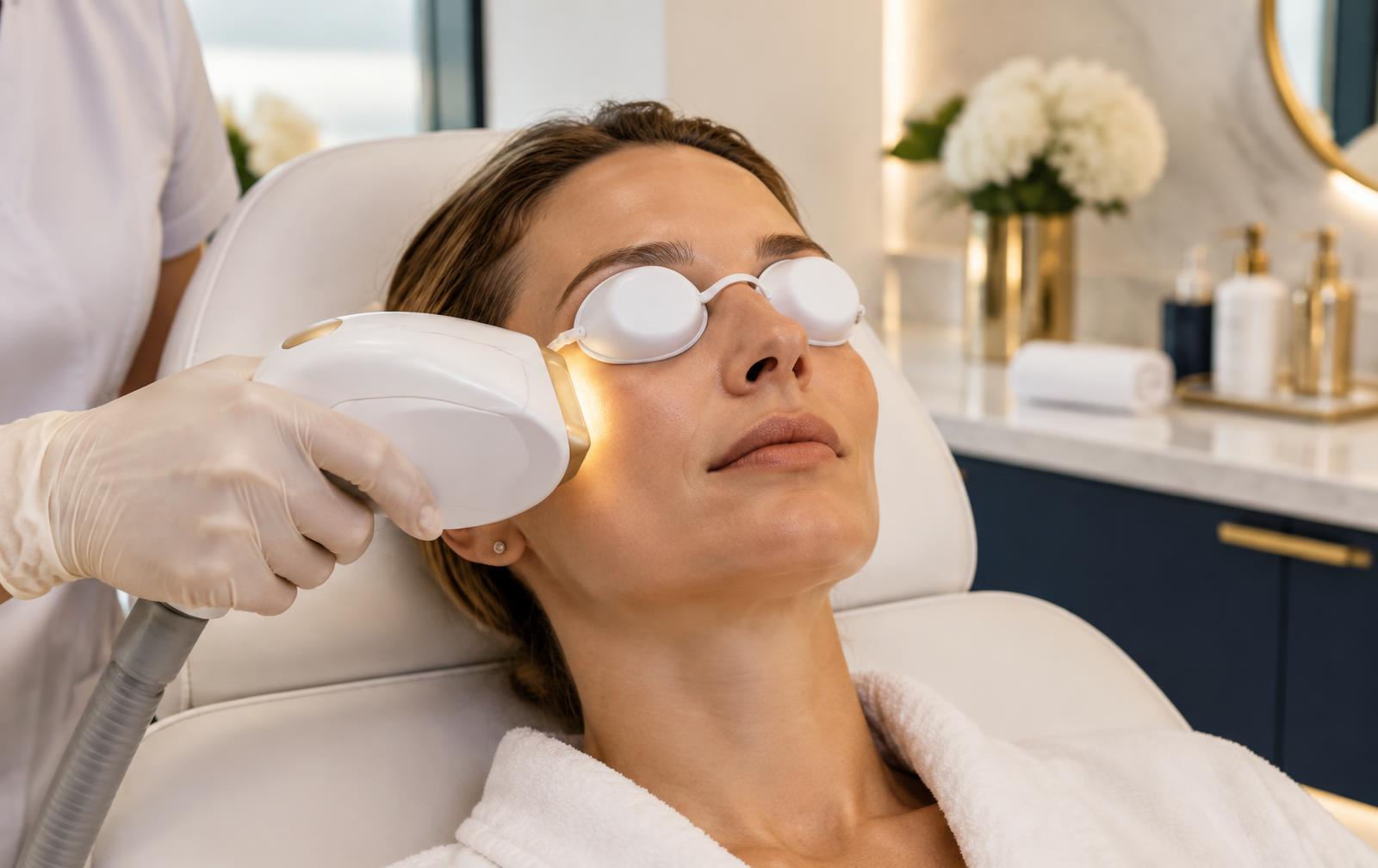
In OPE® IPL, software-controlled polychromatic light pulses are delivered to the skin beneath the eyes. The aim is to address dysfunctional processes in the area of the lid margins and Meibomian glands.
LLLT® photobiomodulation uses a light mask that delivers low-level light to the closed eyelids. The application is touch-free and described by most patients as pleasantly warm.
How a session proceeds
Diagnostics come first: meibography, NIBUT, tear meniscus, lipid layer and blink are recorded and reviewed together. We then check medical suitability, skin type and medication.
For treatment, the eyes are covered with protective shields, the skin is prepared with gel, and light pulses are delivered along the cheek and lid region. A session usually takes only a few minutes; the light mask application follows.
Who the treatment is not suitable for
Not every form of dry eye benefits from light. Reasons against treatment include acute inflammation or infection in the treatment area, certain photosensitising medications, recent tanning, some skin conditions, tattoos or permanent make-up in the area, pregnancy and selected pre-existing conditions.
We clarify all of these points in person before any treatment is planned.
Realistic expectations
How many sessions are appropriate and how noticeably symptoms change depends on your findings, their severity and your response over time. Light-based modalities complement baseline therapy and lid hygiene – they do not replace them.
We document measurements before and after a treatment series so that changes remain verifiable. Success cannot be guaranteed; results vary between individuals.
This website provides general information and does not replace an individual ophthalmic examination, diagnosis or treatment. Outcomes vary between individuals. Seek urgent medical care for sudden pain, loss of vision or eye injury.
More articles
All articles
Fundamentals2 September 20266 min read
Dry Eye: Causes, Symptoms and What Actually Helps
Burning, grittiness, watery eyes: dry eye usually has several drivers at once. An overview of tear film, inflammation and environment.
Read the article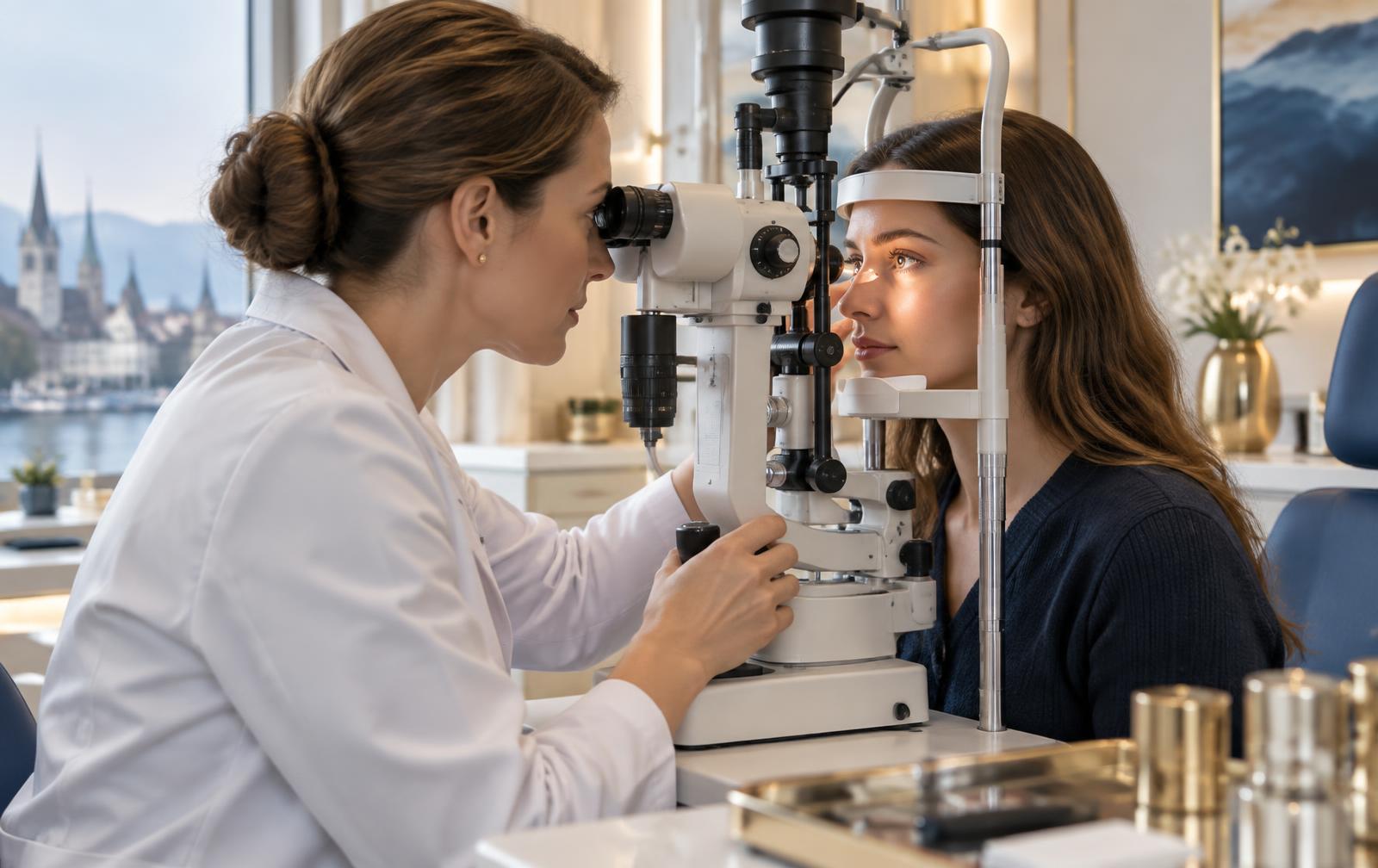
Diagnosis19 August 20265 min read
Meibomian Gland Dysfunction (MGD): The Underestimated Main Cause
The Meibomian glands supply the lipid layer of the tear film. How dysfunction develops – and how it can be documented objectively.
Read the article